The Return of Color and Craft in the Home for 2026 Design Trends
What designers are observing in 2026 is not the invention of a new trend, but a return to design traditions that have always existed.
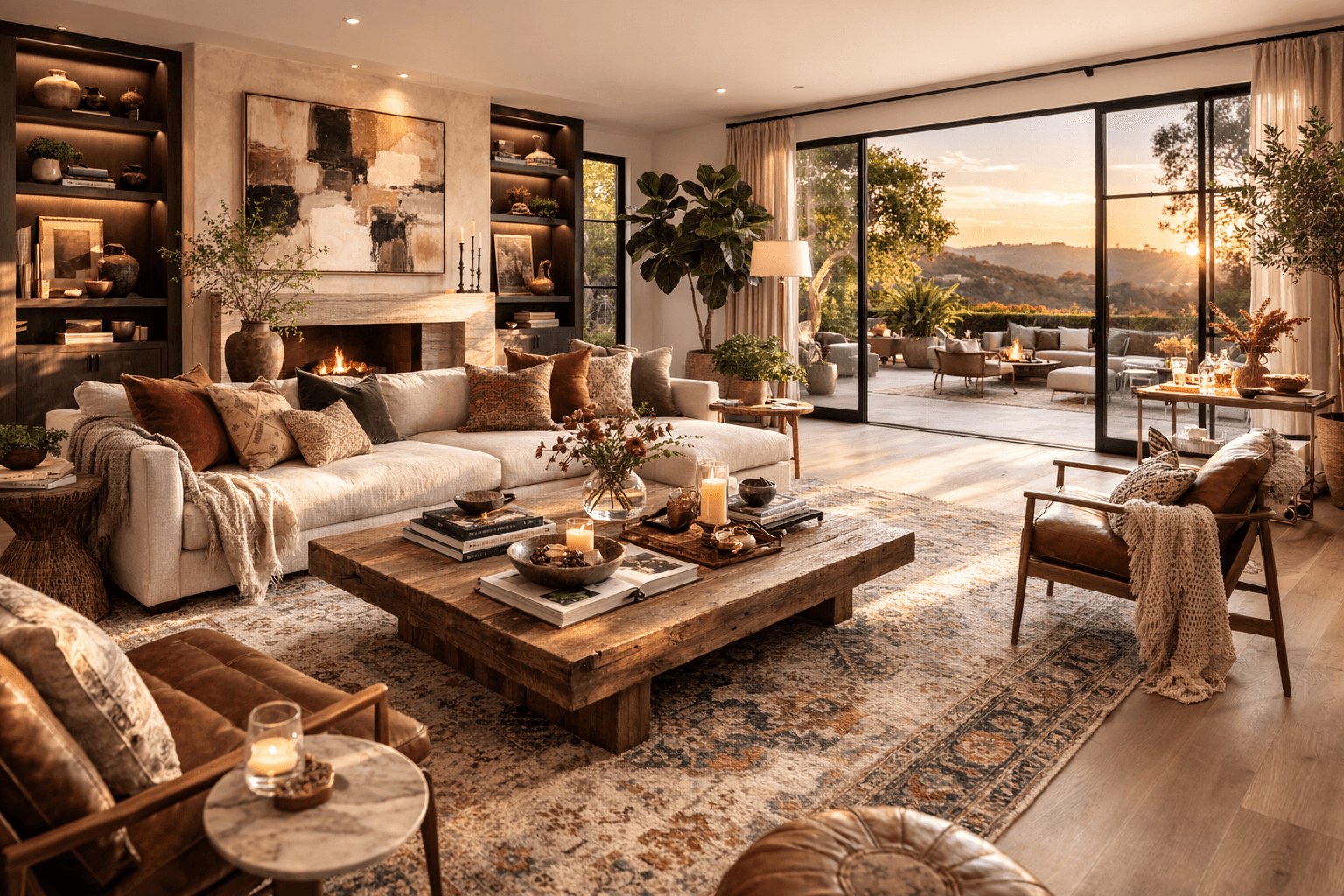
For a long time, the global design industry elevated a very narrow definition of luxury. Neutral palettes, minimal ornamentation, and restrained interiors became the dominant aesthetic across Western magazines and real estate marketing. Yet across much of the world, beauty has never been defined by absence. From the vibrant textiles of India to the patterned tiles of Morocco and the layered interiors of Mexico, homes have long been spaces of color, symbolism, and cultural memory. What designers are observing in 2026 is not the invention of a new trend, but a return to design traditions that have always existed. Homes are once again becoming places where identity, craft, and heritage are expressed openly.
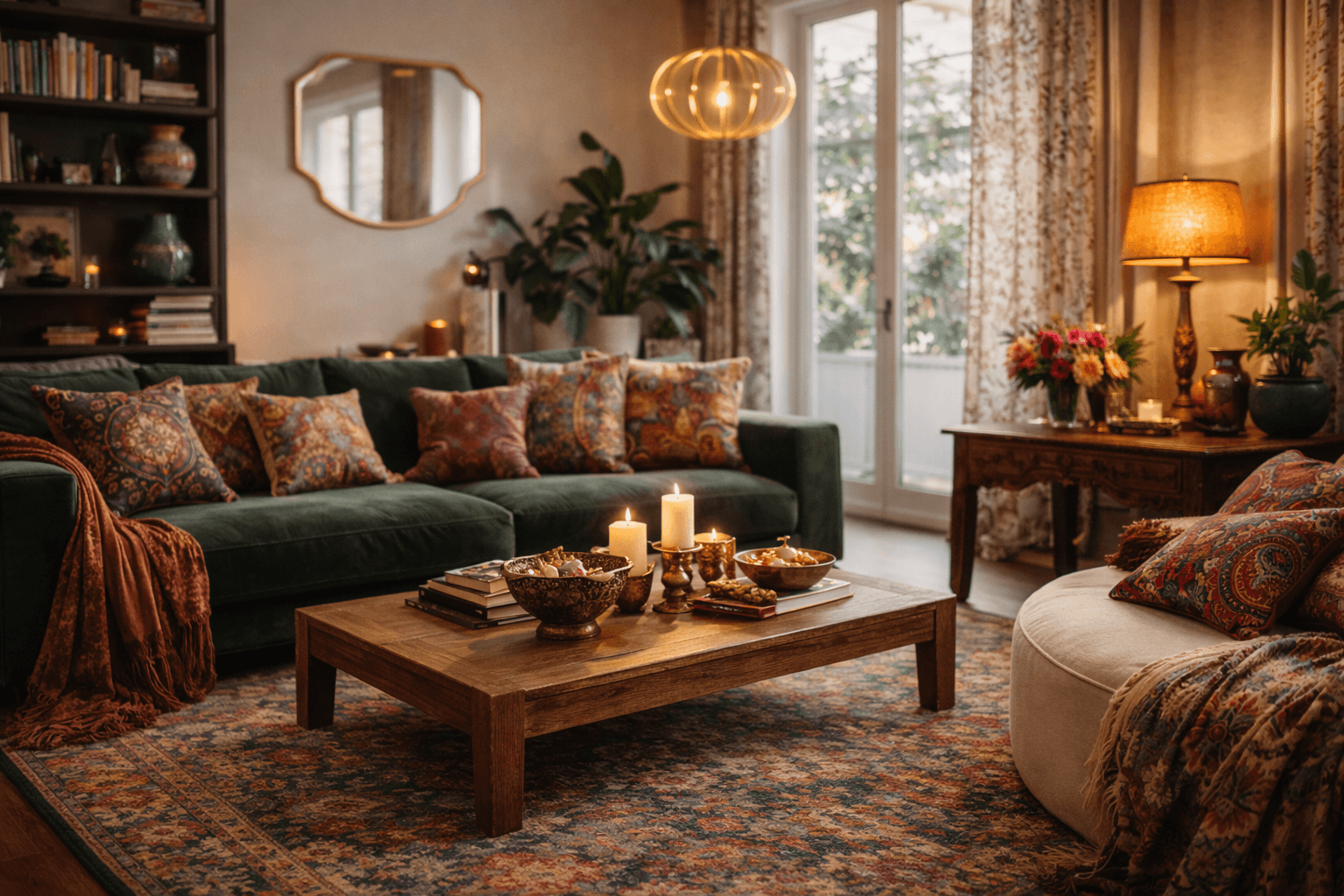
This shift is being led by designers and makers around the world who have always centered craftsmanship and story within their work. Textiles carry regional histories. Colors hold cultural meaning. Materials are selected for their connection to land and lineage rather than simply visual restraint. As people seek homes that feel alive and personal rather than staged, interiors are becoming layered environments shaped by travel, ancestry, and lived experience. Rich colors, handwoven fabrics, carved wood, and artisan ceramics are finding their way back into homes not as decoration, but as expressions of continuity and culture.
The Bay Area happens to be one of the best places to experience this philosophy firsthand. Across San Francisco, Berkeley, and the East Bay, a number of remarkable shops are working directly with craftspeople around the world to bring meaningful pieces into contemporary homes. In San Francisco, St. Frank partners with artisan weaving communities to source handwoven textiles from Peru, Guatemala, and parts of Africa, transforming traditional fabrics into striking pillows and framed wall pieces. In Berkeley, Cielo Home curates furniture and decor made from reclaimed woods and handcrafted materials sourced from Indonesia, India, and Mexico. Nearby, The Gardener offers beautifully crafted objects ranging from Japanese ceramics to woven baskets that reflect a slower, more intentional approach to living with material culture.
One of the most inspiring examples of this ethos can be found in Berkeley at MasayaCo Berkeley Store. MasayaCo works directly with artisans in Nicaragua, producing stunning furniture through traditional woodworking techniques while also supporting reforestation initiatives. The pieces are bold, warm, and grounded in natural materials, demonstrating how modern design can exist in harmony with craft traditions and environmental stewardship.
Closer to home in Contra Costa, Elsie Green offers a different but equally compelling approach by sourcing antique European ceramics, vintage furniture, and handcrafted objects that already carry the patina of history. And just across the bridge in Marin, Heath Ceramics continues a California craft legacy that has endured for generations, producing handmade ceramics and tiles that celebrate material honesty and timeless design.
Together, these spaces reflect something larger happening in design right now. Homes are becoming more expressive, more layered, and more deeply connected to craft traditions that span the globe. Rather than aspiring to a single minimalist aesthetic, people are embracing interiors that reflect where they have been, where their families come from, and what stories they want their homes to hold.
Luxury, in this sense, is evolving. It is no longer defined solely by restraint or neutrality. True sophistication lies in authenticity, craftsmanship, and the confidence to live among objects that carry meaning. The homes emerging in 2026 feel warmer, richer, and far more alive. They celebrate heritage, artistry, and individuality, reminding us that the most beautiful interiors are not designed simply to look perfect. They are designed to reflect the lives unfolding within them.